
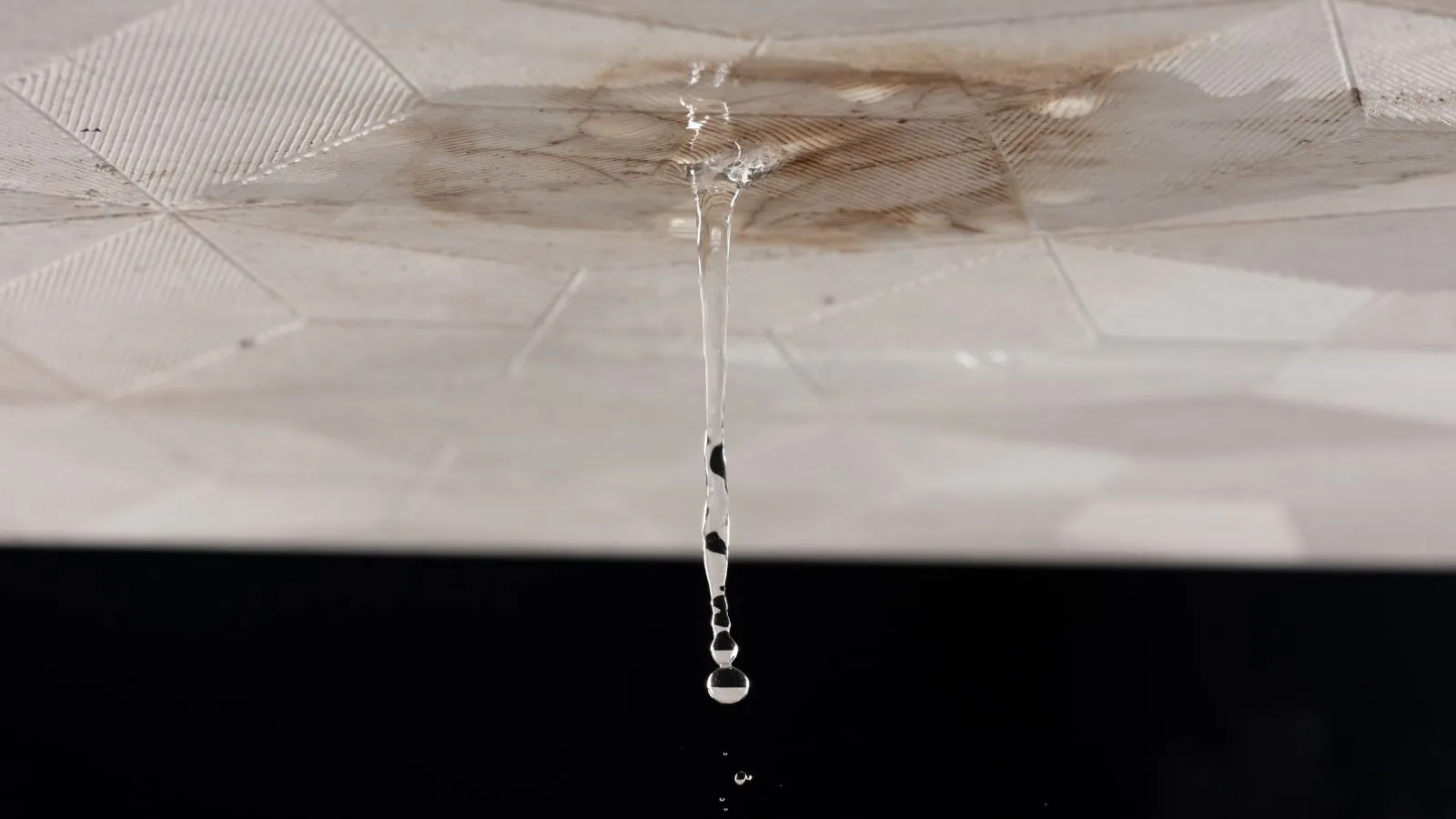
Water damage in a rental unit raises a question that owners do not face: who does what? The tenant sees the leak first, the landlord owns the building, and the insurance policies belong to different people. A clear order of steps keeps the damage from growing and keeps the paperwork straight.
This guide is for tenants and landlords in Mitchell, SD. It follows the state's consumer guidance on written notice and habitability and adds practical steps from water loss work. It is not legal advice, and your lease controls the details.
If you are the tenant
- Stop the water if you safely can, such as closing a fixture shut-off or the unit main.
- Photograph and video the damage and the source before moving anything.
- Notify the landlord or property manager in writing, with the date, the problem and the photos.
- Move belongings out of wet areas and keep a list of anything damaged.
- Call your renters insurer if you have a policy, since your belongings are covered under it, not the landlord's.
Written notice matters even if you also call. A text or email with the date creates a record. The state guide points to written notice when repairs are needed, and a dated record helps if a dispute comes later.
If you are the landlord
Respond quickly. Stop the water, document the damage and call your insurer. Water spreads into adjoining units and floors below, so a leak in one apartment can become several claims. Bring in drying help early, because a short delay often changes the size of the loss.
Communicate with the tenant about access, timing and where they can stay if the unit is unlivable. Keep notes on every conversation. A clear record protects both sides.
| Item | Usually handled by | Note |
|---|---|---|
| Building structure, plumbing, drying | Landlord and landlord's insurer | Depends on the lease and the cause |
| Tenant's belongings | Tenant and renters insurer | Landlord's policy does not cover them |
| Temporary housing | Depends on lease and policy | Ask the insurer and read the lease |
| Notice to the landlord | Tenant, in writing | Date it and keep a copy |
South Dakota guidance for renters and landlords
South Dakota publishes a consumer guide on landlord and tenant rights. It describes the landlord's duty to keep rental housing habitable and says that when a tenant needs repairs, written notice to the landlord is the starting point. We do not summarize every rule here, so read the state guide for your situation.
Renters insurance is separate from the landlord's policy. The South Dakota Division of Insurance notes that standard policies do not cover flood, so a renter in a flood-prone area should ask about it.
Drying in a multi-unit building
Water travels through ceilings, wall cavities and floors. A leak in an upstairs bathroom often shows up first as a stain in the unit below. Drying should include the source unit and the units around it, with moisture readings in each. See ceiling water damage repair for what a ceiling leak involves and appliance leak water damage for common upstairs causes.
Commercial or larger properties follow the same logic with more units. Commercial water damage restoration covers the added coordination.
Keeping a clean record
- Dated photos of the damage and the source.
- Copies of every written notice and reply.
- A list of damaged belongings with approximate values.
- Invoices from plumbers, restoration crews and repairs.
- Names, dates and summaries of phone calls.
When the unit is not livable
If a unit has no usable water, standing water or unsafe electrical conditions, the question of rent and housing arises. The answer depends on the lease, the cause and state law, so ask the state resources, an attorney or a tenant legal aid group. We cannot give legal advice, and no contractor should.
We work in Mitchell and nearby towns, including Ethan and Alexandria, and we document the drying so both tenant and landlord have the readings.
Common leak sources in rentals
- Upstairs bathrooms and kitchens leaking into the unit below.
- Washing machine hoses and dishwasher lines.
- Water heaters in closets or utility rooms.
- Roof or window leaks in top-floor or older units.
- Frozen pipes in unheated areas during winter.
Because the source may be in one unit and the damage in another, finding the origin can take a moisture survey. It is worth doing before anyone assigns blame, since the cause often decides whose insurer responds.
Communicating during repairs
Drying takes several days and involves noisy equipment, and workers may need access to more than one unit. Tell tenants what to expect, how long, and whom to call with questions. Tenants should tell the landlord about any health concern, such as a family member with a respiratory condition, since it may affect how work is scheduled.
Clear and early communication prevents most disputes. Both sides can protect themselves by keeping written records of what was agreed and when.
Water already in the house?
Reading can wait. Call the dispatch line and we tell you what to do next.
Who is responsible for repairs after a leak in my Mitchell rental?
Generally the landlord keeps the building habitable, but details depend on your lease and the cause. South Dakota's consumer guide on landlord and tenant rights recommends written notice, so send one right away.
Does the landlord's insurance cover my belongings?
Usually not. Tenant belongings are typically covered by the tenant's own renters policy, if there is one.
Should a tenant start drying on their own?
Stop the source if safe and document the damage, then notify the landlord. Drying is normally arranged by the landlord, though in an emergency a tenant may need to act.
Can a restoration company talk to both parties?
We can share the scope, readings and photos with the party that hired us and, with their consent, with the other.
What if the landlord does not respond?
Keep your written notice and see the state landlord and tenant guide or an attorney.