
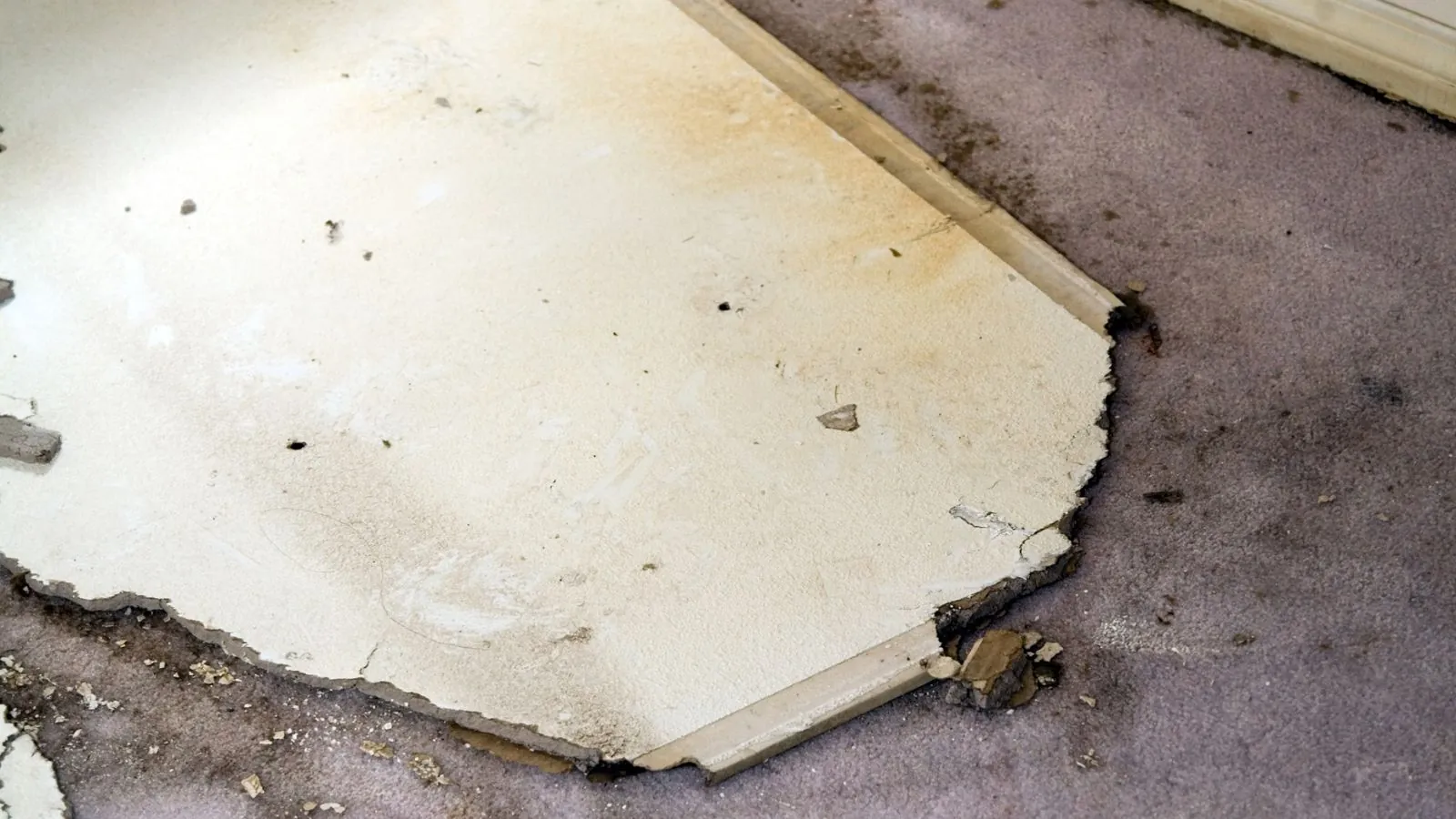
Carpet water damage restoration is the extraction and drying of carpet and its pad after they have been wet, and the decision about what can be saved. If your carpet in Mitchell, SD is wet, call us for an assessment. Clean water caught early often allows carpet to be dried in place, while contaminated water usually means removal.
Blot surface water, lift furniture legs onto foil or blocks, and keep traffic off wet areas. Do not run a household vacuum on wet carpet. Photograph the carpet and the water source before anything moves.
Clean water versus contaminated water
The source decides the plan. Clean water from a supply line or appliance, caught early, often leaves carpet salvageable. Gray water from a washing machine overflow is riskier. Water that came from outside, from a flood or from a sewer line is treated as contaminated, and carpet and pad that touched it are removed under ANSI/IICRC S500 practice.
The pad is the usual casualty. Carpet pad acts like a sponge and dries slowly, so it is commonly removed and replaced even when the carpet itself is saved. Pad is inexpensive compared with the carpet and it protects against hidden dampness.
How carpet is extracted and dried
The crew uses extraction units to pull water from carpet and pad, then may lift the carpet at one wall and pull the pad so airflow can reach the subfloor. Air movers and dehumidifiers dry the carpet and the floor beneath it. Meters check the subfloor, because wet concrete or wood under carpet keeps releasing water.
Carpet is stretched back after drying and cleaned. Poor drying can leave odors that no cleaner removes, so moisture readings matter more than appearance. The process uses the same readings described on our structural drying page.
| Situation | Typical outcome for carpet | Typical outcome for pad |
|---|---|---|
| Clean water, caught early | Often dried and saved | Often replaced |
| Clean water, wet for days | Case by case | Replaced |
| Gray water | Cleaned and dried or replaced | Replaced |
| Contaminated water | Removed | Removed |
Carpet over concrete and wood
Carpet on a concrete slab can dry from the top but hold moisture below, so the slab is measured. Carpet over wood subfloor can wick water into the joists. Water on a basement carpet is covered in more detail on basement water damage cleanup.
When replacement is the better call
Replace carpet if it is delaminating, has a persistent odor after drying, was soaked by contaminated water or has backing that has separated. An honest crew will say so rather than dry carpet that will not recover. Replacing the pad and carpet at once also gives a clean finish.
What affects the cost of carpet water damage restoration
Carpet cost depends on what is saved and what is replaced.
- Water category, which sets whether carpet can stay
- Square footage of wet carpet and pad
- Whether the subfloor needs drying
- Drying days and equipment
- Replacement of carpet, pad and tack strips if needed
Want your real number?
Sudden water damage is often covered, but long-term seepage often is not, so check your policy or ask your insurer. Call and we explain the scope and price before work starts.
Standing water gets removed before the carpet work starts, as our water extraction crews do.
Carpet, pad and the subfloor underneath
Carpet is three layers: the surface, the pad and the subfloor. The surface often dries quickly, the pad holds water for days and the subfloor decides whether the floor stays solid. Ask the crew to read all three, not just the surface, and to tell you which layer they measured.
If a seam or a corner is lifted to let air under the carpet, ask how it will be put back. Stretching and reattaching carpet is routine work for a flooring installer, and a good crew tells you when that step is needed rather than leaving loose edges.
Keep a sample of the carpet and pad if you plan to file a claim, along with photos of the label if one is visible. An adjuster may ask what material was in the room before the loss.
Can wet carpet be saved?
Often, if the water was clean and the carpet is dried quickly. Contaminated water usually means removal.
Why is the pad always replaced?
Pad absorbs water like a sponge and dries slowly. Replacing it avoids hidden dampness and odor.
How long can carpet stay wet before it is ruined?
The sooner it is dried the better. Delay raises the risk of odor and microbial growth, and no timeline is a promise.
Will the carpet smell after drying?
Properly dried carpet should not. A lingering odor can mean moisture is still in the pad or subfloor.
Do you clean the carpet after drying?
Cleaning is part of the finish once the carpet is dry. Ask the crew what is included in the scope.