
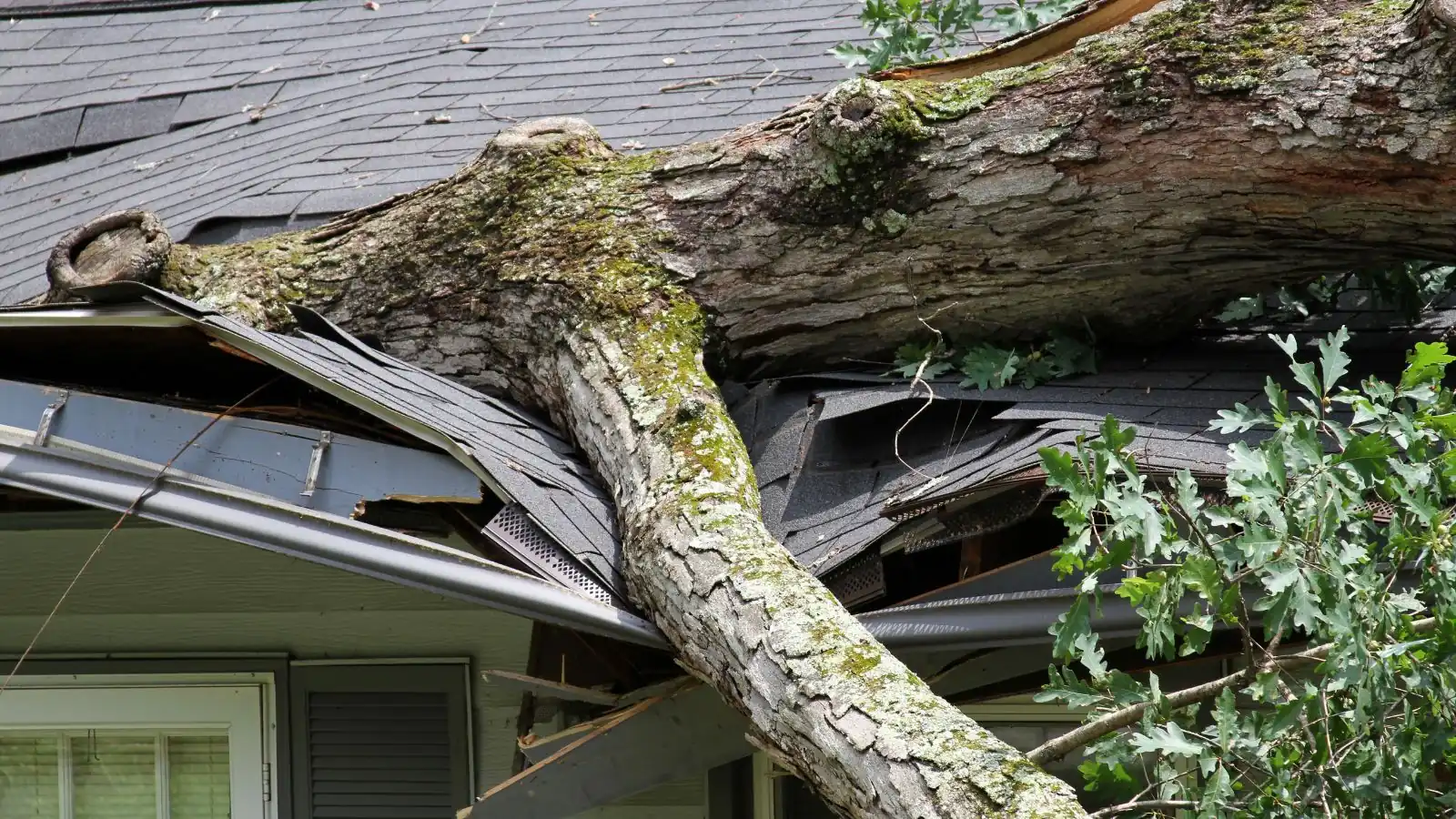
Storm water damage cleanup is the removal and drying of water that entered a building through a damaged roof, window, siding or wall during or after a storm. If a storm has put water inside your Mitchell, SD home, call our 24/7 line, stay clear of damaged areas, and protect what you can. After a widespread storm many households call at once, so an early call helps.
Do not climb on a damaged roof, and stay away from downed lines. If water is dripping near light fixtures or outlets, stay out of that room. Same-day response is offered when available, and storm calls are an expected part of an after-hours line.
Storm water emergency: what to do first
- Make sure everyone is safe and clear of broken glass, wires and debris.
- Move belongings away from leaks and cover furniture if it is safe.
- Turn off power to wet areas only if you can reach the panel on dry ground.
- Photograph all damage before any cleanup or temporary repair.
- Call your roofer or a tarp service for the building envelope and call us for the water.
How storms put water inside
Storm water usually enters from above or the side. Wind lifts shingles and flashing, driven rain pushes past window frames and siding, hail or a fallen branch breaks roofing, and clogged gutters send water behind fascia. This is different from rising water, which is covered on our flood damage cleanup page.
Heavy rain can also overwhelm a city. The National Weather Service in Sioux Falls recorded 8.55 inches of rain at Mitchell over three days in June 2024, the highest three-day total on its record for the city. Whether or not a storm brings wind damage, rain of that size tests every roof, window and basement wall.
What storm cleanup involves
The crew finds where water entered, extracts what stands, and checks moisture in ceilings, walls, insulation and floors. Because the water came from above, attics and ceiling cavities are a main focus. See ceiling water damage repair for what happens to a wet ceiling.
Temporary protection of the building, such as tarping a roof or boarding a window, is a job for a roofer or board-up service, and it protects the repair too. We coordinate timing so drying is not undone by the next rain.
| Entry point | What gets wet | First response |
|---|---|---|
| Roof leak | Decking, insulation, ceiling, walls below | Tarp the roof, call for drying |
| Window or door frame | Wall base, trim, flooring | Seal the opening, extract water |
| Siding or fascia | Wall cavity, insulation | Moisture mapping and drying |
| Basement window well | Basement floor and walls | Pump, extract, see basement water damage cleanup |
Insurance after a storm
The South Dakota Division of Insurance advises homeowners to read their policy, file promptly, document damage before temporary repairs, keep receipts for those repairs and wait for the insurer to inspect before permanent repairs. Wind and rain damage can be handled differently from rising water, and standard homeowners policies do not cover flood, so ask your insurer how your loss is classified.
What affects the cost of storm water damage cleanup
Storm jobs vary by how much water got in and where.
- The entry point and how long the building stayed open
- Number of rooms and levels affected
- Insulation, drywall and flooring that need removal
- Drying days and equipment
- Rebuild scope for ceilings, walls and finishes
Want your real number?
Coverage for storm damage varies by policy and cause, so check your policy or ask your insurer. Call and we explain the scope and price before work starts.
Homes around the lake northwest of town have their own page, water damage restoration near Lake Mitchell.
Do you handle storm water emergencies at night or on weekends in Mitchell?
Yes. Dispatch is open around the clock. Call, describe the entry point and the water, and we plan the response. Same-day response is offered when available.
Do you tarp roofs?
We focus on the water damage inside. A roofer or board-up service handles the roof, and we coordinate timing with them.
Is storm rain through the roof covered by homeowners insurance?
Often, sudden storm damage is covered, but policies differ and rising water is excluded. Read your policy or ask your insurer.
How soon should I call after the storm?
As soon as you find water inside. Wet insulation and drywall take time to dry, and the sooner crews start, the more can be saved.
What should I document?
Photograph the damage on the roof, siding and inside, note the date and weather, and keep receipts for temporary repairs.