
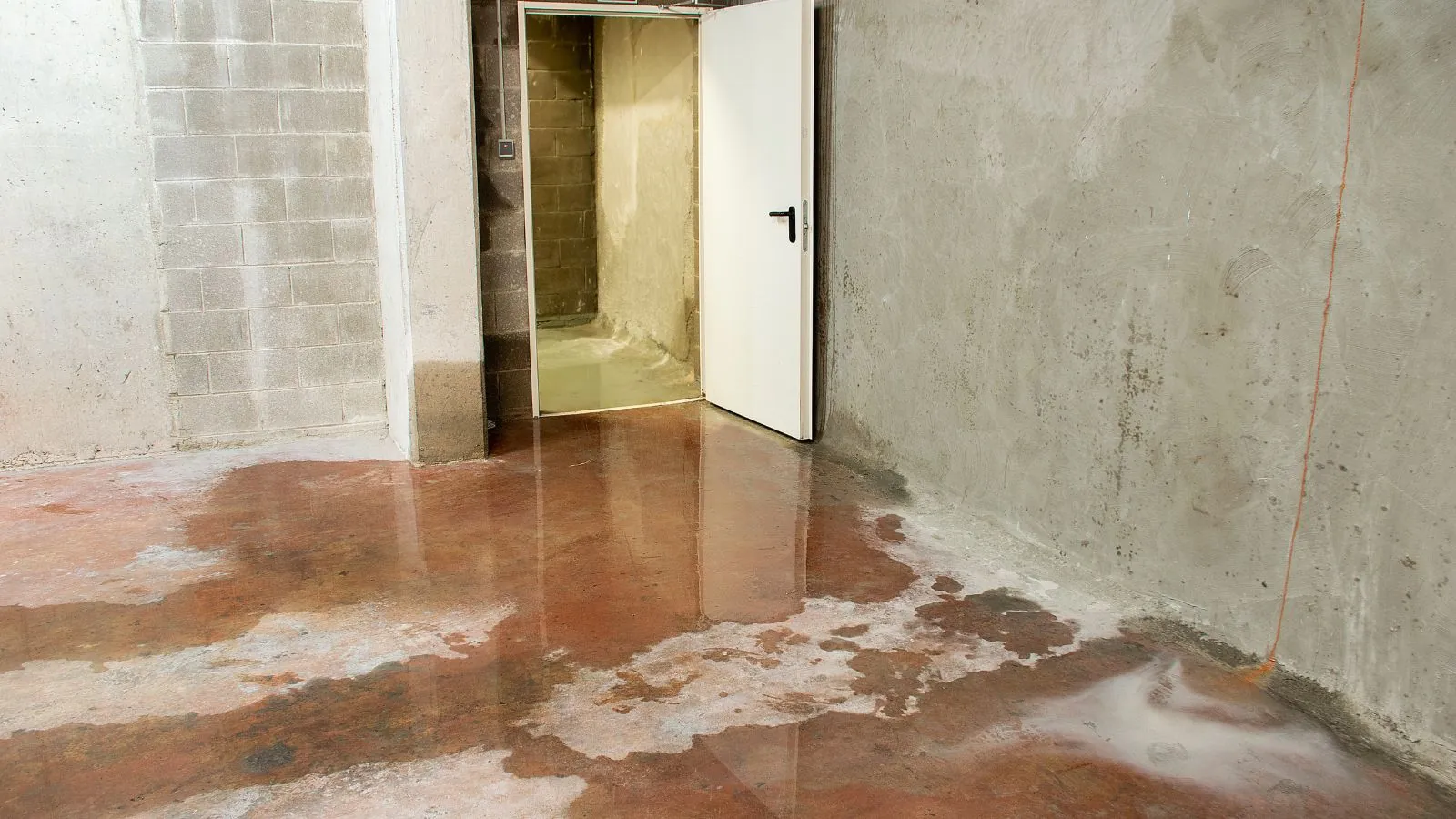
A water bill that jumps with no change in how many people live in the house, no new irrigation and no long guest stay is worth a closer look. The most common cause is a leak somewhere you cannot see. A running toilet, a dripping line in a wall or a break in the line under a slab can all use a lot of water without leaving a puddle.
This guide gives a simple test using your own meter, lists the places hidden leaks tend to be, and explains what to do once you find one. It is written for Mitchell, SD homeowners, and none of it requires tools beyond a flashlight.
The meter test
- Turn off every faucet, appliance and irrigation system that uses water.
- Find the water meter, usually in a pit near the street or in a utility area inside.
- Look for the small leak indicator, often a triangle or dial that spins when water moves.
- If it moves with everything off, note the reading and wait thirty minutes without using water.
- Check again. A changed reading means water is moving somewhere it should not.
If the meter is moving, close your main shut-off valve and check the meter again. If it stops, the leak is inside the house. If it keeps moving, the leak is between the meter and the valve, and the city may need to look at it.
The usual hiding places
| Location | Clue | Easy check |
|---|---|---|
| Toilet | Faint running sound, refilling hiss | Drop food coloring in the tank and wait |
| Under sinks | Damp cabinet floor, musty odor | Dry it, tape a paper towel, check later |
| Water heater | Moisture around the base | Look and feel the floor and fittings |
| Irrigation lines | Wet spot in the yard, low pressure | Shut off and test the meter again |
| In wall or under slab | Warm floor spot, sound of running water | Meter test with everything off |
A toilet that runs silently is the most common culprit and the cheapest fix. Start there before assuming something worse.
When the leak is under the slab
A warm spot on a floor, the sound of water with everything off, or a meter that spins with the main valve open inside the house can point to a leak in a line under the concrete. These need a leak detection specialist or a plumber, and the damage left behind needs drying. See slab leak water damage for what that looks like.
Who to ask at the City of Mitchell
The City of Mitchell Public Works Department lists a Water division among its services. The department is at 612 N. Main Street, phone (605) 995-8433, open 8:00 a.m. to 5:00 p.m. Central, Monday through Friday.
Call them to ask about your meter, your usage history and how the city handles questions about a bill. We do not state billing policy, because the city sets it and it can change.
Check the damage, not just the bill
A long leak is also a damage problem. Press on baseboards, check the back of cabinets and look for paint that bubbles or flooring that cups. If you find wet materials, a moisture check tells you how far it spread. Leaks that went on for weeks can mean mold growth, and visible growth or a persistent odor is worth professional attention.
If wet drywall or flooring is found, see wall and drywall water damage repair or hardwood floor water damage repair, depending on what is wet.
Who to call
- A plumber, to find and fix the leak itself.
- The City of Mitchell Water division, for questions about the meter and your bill.
- Your insurer, if damage has occurred, since coverage depends on the cause and the policy.
- A restoration company, if materials are wet and need drying.
Keep the bill, the meter readings and the repair invoice together. They show when the leak started and when it was fixed, which matters if you later ask your insurer or the city a question. Coverage for a leak and for a bill adjustment are separate matters, and neither is something a contractor can promise.
Prevent a repeat
Learn where your main shut-off is and test it once a year so it is not stuck. Check under sinks and around the water heater when you do. A small drip caught early is a cheap repair. The same drip left for months is a water heater leak cleanup or a rebuilt cabinet. We serve Mitchell and towns such as Fulton and Alexandria.
According to the City of Mitchell Public Works Department, water service questions go to its Water division at (605) 995-8433. That is the right first call when your meter and your bill do not match what you expect.
Reading the meter more precisely
Some meters have a small low-flow indicator that spins even for a slow drip. Others show only the main dial. If yours has both, use the low-flow indicator for the test, because a leaking toilet flapper can move it so slowly the main dial barely changes in thirty minutes. For slow leaks, take a reading at bedtime and another in the morning with no water used overnight.
Write the numbers down with the date and time. If you later talk to the city or your insurer, a short log is more useful than a recollection. Photographs of the meter face work as well.
Outdoor water use
Before you look for a hidden leak, rule out the ordinary causes. Irrigation, filling a pool, washing a vehicle or a hose left running can raise a bill sharply. A sprinkler zone with a broken head can run for hours unnoticed. Check the timer, walk the lawn and look for soggy spots.
If the bill went up in winter, look at less obvious causes. A dripping faucet left on to protect pipes in cold weather, a humidifier or a stuck water softener can add up. And if you have recently had a plumber work on the house, ask them to check their fittings.
Water already in the house?
Reading can wait. Call the dispatch line and we tell you what to do next.
Who do I call in Mitchell about a high water bill?
Start with the City of Mitchell Public Works Water division at (605) 995-8433 during business hours. Ask about your meter and usage history.
How can I tell if the leak is inside or outside my house?
Close your main shut-off and watch the meter. If it stops, the leak is inside. If it keeps moving, the leak is between the meter and the valve.
Will insurance pay for a high water bill?
Coverage depends on your policy and the cause. Ask your insurer. Damage from a sudden leak is treated differently from the cost of the water itself.
Can a leak go on for weeks without any sign?
Yes, leaks in walls, under slabs and in irrigation lines can run unseen. The meter test is the reliable check.
Do you find leaks?
We dry the damage left behind. A plumber or leak detection specialist finds and fixes the source.